In professional skin treatments, when you apply LED light therapy matters just as much as how you use it. While most topical infusion protocols deliver light before applying active ingredients, there are important exceptions and understanding the difference leads to better results, healthier skin, and more consistent outcomes.
At LIGHTWAVE LED Therapy and ABI Skincare, our protocols are designed around how the skin actually responds to LIGHTWAVE LED therapy and Topical Light Infusion (TLI), not trends or shortcuts.
Why Light Comes First in Most Professional Treatments
Red and near-infrared LED light therapy energizes the skin at a cellular level. When applied to clean, product-free skin, LIGHTWAVE LED therapy:
- Increases circulation and oxygenation
- Stimulates mitochondrial activity and ATP production
- Improves cell membrane permeability
- Prepares the skin to better absorb and utilize topical actives
Once the skin has been energized, it enters a highly receptive state. Applying targeted serums or masks after LED allows ingredients to penetrate more effectively and work more efficiently, often with fewer products and less irritation.
This is why, in most professional protocols, infusion works best after light.
The Science Behind Topical Light Infusion (TLI)
Topical Light Infusion is not about forcing product into the skin, it’s about working with the skin’s biology.
When LED therapy comes first, the skin is primed to:
- Respond faster
- Absorb actives more evenly
- Maintain results longer
This makes TLI or Topical LIght Infusion a powerful bridge between in-treatment results and long-term skin health.
Why Some Protocols End With Red Light Therapy
While light-first protocols are ideal for most concerns, certain conditions benefit from a two-step light approach, particularly acne and highly active peptide treatments.
Blemish Infusion: Blue Light Followed by Red Light
While blue light can be used effectively to assist infusions, especially with higher molecular weight actives, acne-compromised skin requires additional consideration. When acne-causing bacteria are present, blue light interaction creates a high level of singlet oxygen (free radicals). For this reason, acne-focused infusions should always conclude with red light therapy to help neutralize excess free radicals, calm inflammation, and support healthy tissue repair.
Finishing with red light helps to:
- Neutralize free radicals created by blue light
- Reduce inflammation and redness
- Support healing and tissue repair
- Calm the skin after active acne treatment
Peptide Pro Infusion: Why Red Light Comes Last
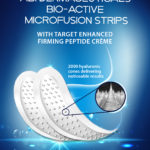
The Peptide Pro Infusion contains highly active peptides designed to stimulate visible anti-aging results. Because these actives are biologically active, finishing the treatment with red light therapy:
- Enhances peptide performance
- Supports cellular communication
- Reduces the potential for sensitivity
- Improves overall treatment outcomes
In this case, red light acts as both a performance enhancer and a recovery tool.
LIGHTWAVE LED Therapy Makes the Difference
Not all LED systems deliver the same results.
LIGHTWAVE panels use between 1,200 and 2,880 professional-grade LEDs across red, near-infrared, and blue wavelengths. This high-density output allows for:
- More even light distribution
- Greater photon energy delivery
- Deeper cellular impact
- Consistent, professional-level results
This is why LIGHTWAVE LED therapy cannot be compared to at-home devices or low-output systems and why protocol sequencing matters.
The Takeaway: Intention Creates Results
- Most infusion works best after light because energized skin absorbs and utilizes actives more effectively.
- Acne protocols should always end with red light to neutralize free radicals and calm inflammation.
- Highly active peptide infusions benefit from finishing with red light to enhance results and support recovery.
When LED therapy and Topical Light Infusion are applied strategically, estheticians deliver treatments that not only maximize visible results but also showcase their expertise, leaving clients impressed, confident, and coming back for more.
This is the foundation of professional, confidence-building skincare.